The Church of the Brethren Office of Peacebuilding and Policy attended a press conference of the National Commission on Military, National, and Public Service held at the Newseum in Washington, D.C., on Jan. 23. This commission is tasked with exploring national attitudes toward military and volunteer service, and potentially recommending changes to the Selective Service system.
Peace
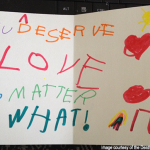
‘You Deserve Love’ project addresses prisoners and Congress
A preschooler is sending a message to Capitol Hill and death row–“You deserve love no matter what.”
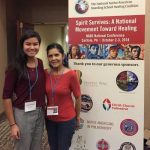
Conference examines Native American boarding school history
The National Native American Boarding School Healing Coalition on Oct. 2-3 held their first-ever boarding school healing conference, called “The Spirit Survives: A National Movement Toward Healing.”
Brethren bits for November 2, 2018
In this issue: Correction, vigils for shooting victims, BDM and CDS update, remembrances, anniversary, congregational and district news, evangelism conference, Outdoor Ministries Association, job opening, and more.
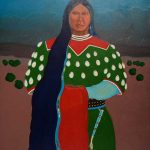
November opportunities help to honor Native American Heritage Month
A variety of resources and a weekly call through November will provide ways for “Continuing Together the Conversation” and honoring Native American Heritage Month.
Christian Citizenship Seminar will focus on “Creative Solutions”
The Church of the Brethren 2019 Christian Citizenship Seminar will be held April 27-May 2 in New York and Washington, D.C., with the theme “Creative Solutions to Violent Conflict Worldwide.”

Christian Citizenship Seminar will focus on “Creative Solutions”
The Church of the Brethren 2019 Christian Citizenship Seminar will be held April 27-May 2 in New York and Washington, D.C., with the theme “Creative Solutions to Violent Conflict Worldwide.”

Elizabethtown requests Atlantic Northeast District withdraw “Same-Gender Marriage” proposal
The Elizabethtown (Pa.) Church of the Brethren board has responded to the passage of “Policy on Same-Gender Marriage” by the Atlantic Northeast District board, “respectfully requesting” the board to withdraw the item from consideration at this year’s district conference.
Global Food Initiative grants sow seeds
Global Food Initiative grants, summer 2018.

Prince of Peace hears first-hand experience of Manzanar
All they could take was one suitcase and what they could wear. That is what President Roosevelt’s Executive Order 9066 told Japanese and Japanese-Americans who were living on the west coast after the attack on Pearl Harbor, in 1942. They reported to relocation camps with only one week’s notice.